Hitting the open road in an RV is a classic American adventure. It offers a wonderful sense of freedom and a real connection to the outdoors. Many people think this kind of travel has to be expensive, but that’s not always true. With a bit of smart planning, you can enjoy all the perks of an RV getaway without emptying your wallet. This guide will show you how to plan a memorable and affordable trip.

Savvy Trip Planning to Save Money
A budget-friendly RV trip really starts long before you even turn the key. Your highest costs will probably be fuel and campsite fees, but you can manage both with some clever planning. Traveling during the “shoulder seasons,” spring and fall, can save you a lot of money, as parks and rental companies often have lower rates then. Mapping your route beforehand helps you estimate fuel costs and avoids unnecessary detours.
Planning shorter trips can also make a big difference. Exploring places closer to home means less fuel and travel time, giving you more time to relax and explore. The idea of affordable RV travel often focuses on these shorter, high-value getaways. Instead of a cross-country marathon, think about a long weekend trip to a nearby state park or lake.
Affordable RV Rental Options
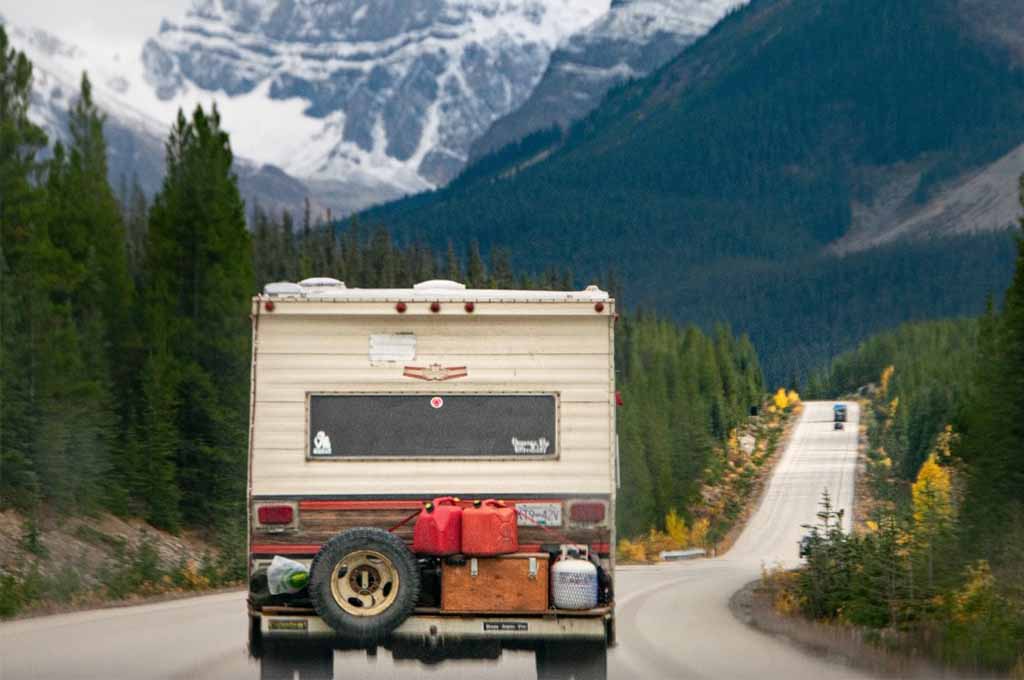
You don’t need to own an RV to enjoy the lifestyle. The rental market has plenty of options for travelers watching their budget. Peer-to-peer rental platforms are a great place to start, as they connect you directly with RV owners. This often means lower prices and a wider variety of vehicles compared to traditional rental companies.
When you’re looking at rentals, think about the vehicle’s size. A smaller Class B or Class C motorhome usually uses less fuel and is easier to drive than a large Class A rig. Older models can also offer significant savings. As long as the vehicle is well-maintained, a few years on the odometer shouldn’t stop you from getting a great deal. Always read reviews and talk to the owner to make sure the RV is right for your needs.
Finding Value RV Campsites
Where you park for the night can really impact your budget. While luxury RV resorts have their advantages, you can find comfortable and scenic spots for much less. State and national parks often provide beautiful settings with basic amenities at a reasonable price. For even bigger savings, look into camping on public lands, often called boondocking or dispersed camping, which is usually free.
Private campgrounds can also be a good value. Look for parks that offer the amenities you actually need without charging for extras you won’t use. Sometimes, staying just outside a major tourist area can save you money while still giving you easy access. For example, finding an RV park near Lake Hartwell can give you a perfect base for water activities without the premium cost of a lakeside spot.
Free or Low-Cost Activities
One of the best things about RV travel is that the destination itself often provides the entertainment. Nature offers an endless playground that’s usually free to enjoy. Hiking, biking, fishing, and swimming are classic activities that don’t cost a thing. Spend your evenings stargazing far from city lights or simply relaxing by a campfire with a good book.
Before you go, research free attractions in the area you’ll be visiting. Many towns have free museums, public parks with botanical gardens, or historic districts perfect for a leisurely stroll. Check local community calendars for free events like outdoor concerts, farmers’ markets, or festivals that can add a unique and cost-free element to your trip.
Cooking Delicious Camp Meals
Eating out for every meal can quickly blow a travel budget. An RV with a kitchenette is your secret weapon for saving money. Planning your meals ahead and doing a big grocery shop before you leave will save you from expensive and often unhealthy roadside food.
Keep it simple. One-pot meals, foil-packet dinners cooked on the grill, and simple sandwiches are all easy to make at a campsite. A morning coffee brewed at your own picnic table tastes just as good, if not better, than a pricey cafe version. Packing your own snacks and drinks for day trips will also prevent impulse buys. Cooking your own food not only saves money but also becomes a memorable part of the camping experience.
An RV adventure is all about the freedom of the road and the memories you make along the way. Planning smart and focusing on what truly matters helps you unlock that adventure on any budget.