Learn how to camp on a budget with simple money-saving tips for gear, food, campsites, and activities—so you can enjoy the outdoors without overspending.
Camping is now one of the few remaining ways to have an inexpensive vacation. However, camping expenses are known to quickly add up when you’re buying kit. One new tent here, a new cooler there, and before you know it, a budget-friendly campout with your family may be costing you the same as a hotel room.
Fortunately, the best camping trips are rarely based upon what you spend. There are many different options available when planning ahead that can help save you money and allow you to create memories for your family that will last a lifetime.
Start With A Plan, Not A Shopping Cart
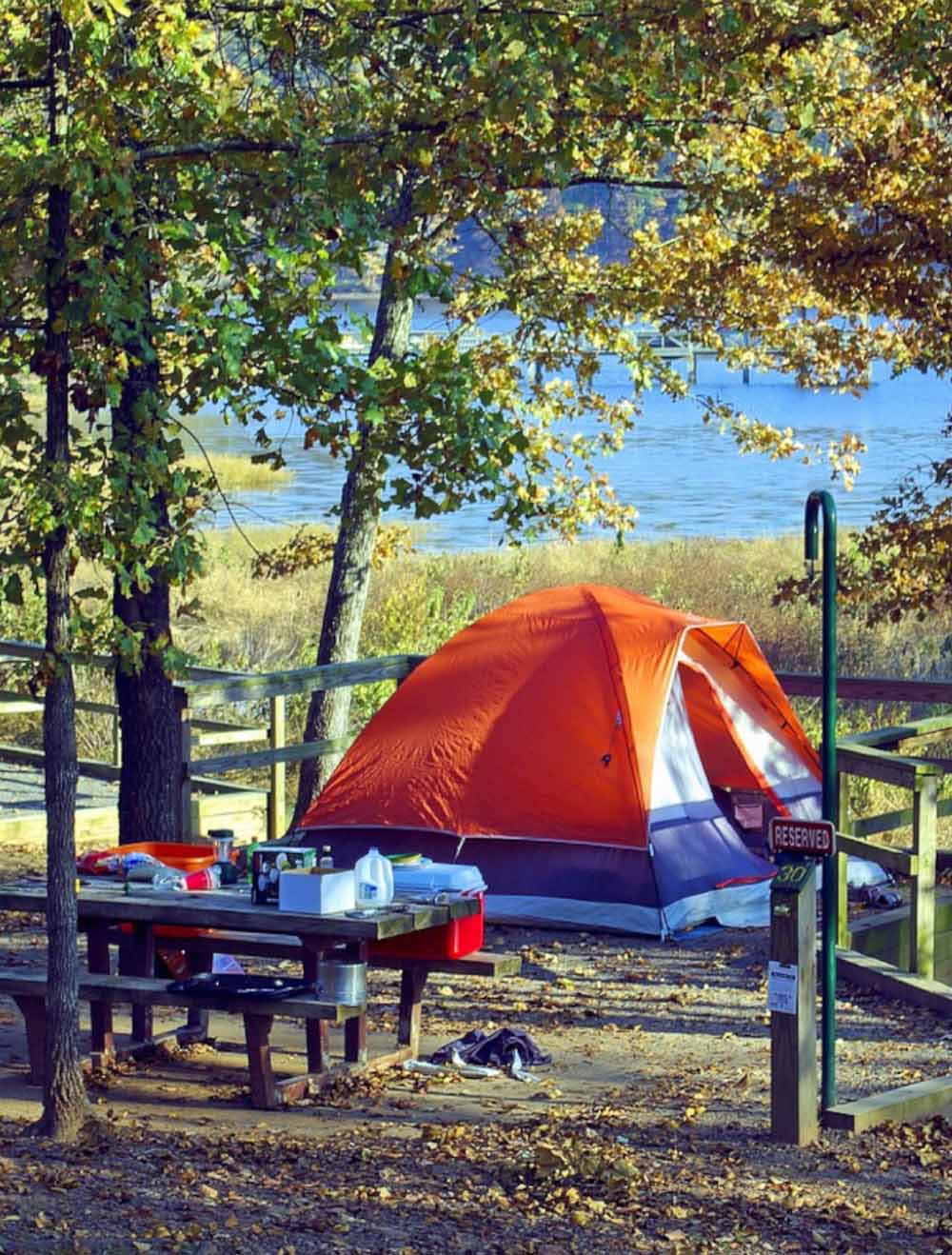
Shopping before thinking is the quickest path to breaking the bank. Take a few minutes to visualize your real trip: how long are you going, who is going with you, what do you already have, and what you really think you’ll use. At least half of the “must-haves” at the local outdoor store are items you’ll touch once and after that, forget about in the garage. If you can borrow some things from friends or family members and rent the bigger-ticket items such as a tent or sleeping bags until you decide if you want to purchase those items yourself.
Keeping it all straight is easier when you write it down. A simple camping supplies list planner lets you set a budget for each item, mark what you already have, and track what you still need to rent or buy.
Pick Free And Low-Cost Places To Stay
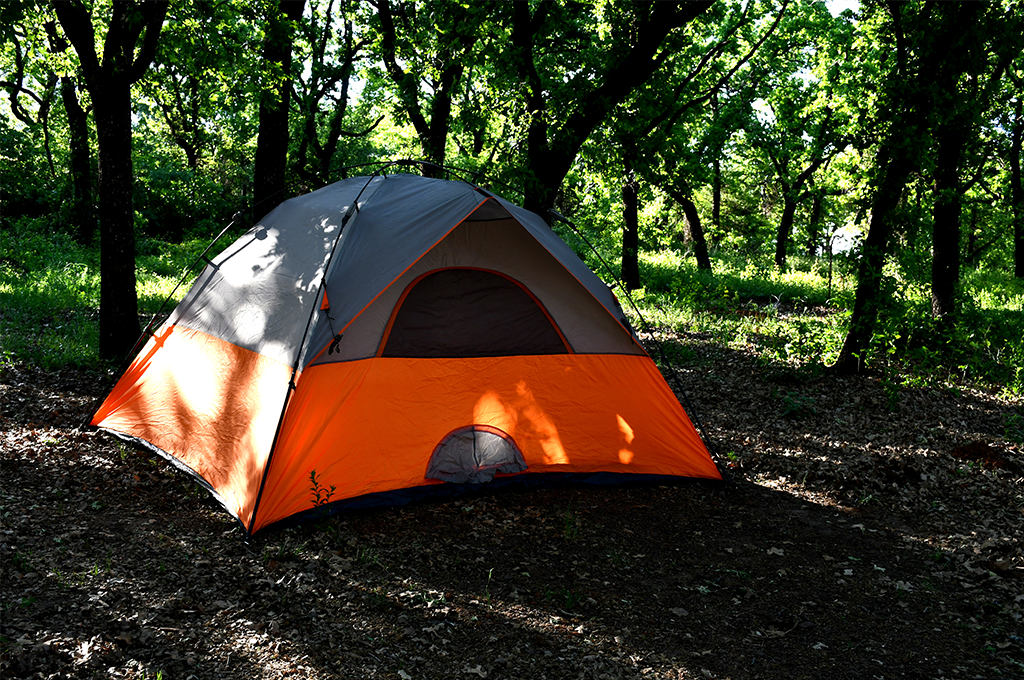
The campsite is typically the largest single expense in any camper’s budget. Therefore, making smart decisions regarding where you sleep will help to save you the most money. Public land is open to dispersed camping at no cost, as long as you don’t mind roughing it without paved campsites or access to running water. It is rustic, but the price is hard to beat.
If you want some of the amenities that make camping a bit easier, consider checking your travel dates against the Park Service website. They offer fee-free days for national parks and recreation areas several days throughout the year. This alone could cut hundreds from your overall budget depending upon how well your travel plans align with their free dates.
Eat Well Without The Fancy Gear
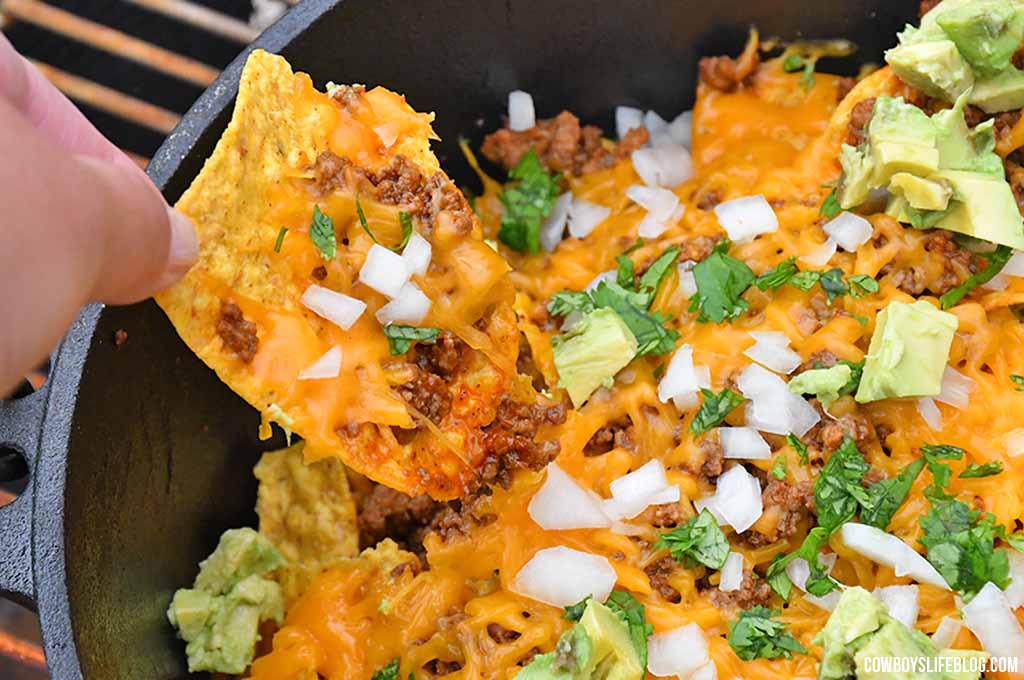
Don’t think you have to spend thousands on a full-blown camp kitchen to enjoy a good meal while camping. Plan your meals around three pieces of equipment: a single pot, a skillet, and a cooler. Prepare your food as much as possible at home. Chop all vegetables at home and prepare spices/seasonings for use at the campsite. Then take some meals and freeze them so they serve as an “ice pack” when transporting them to the campsite. Chili made in a single pot or a foil-packet dinner will fill everyone’s stomach with very little cleanup. A cooler allows you to keep items cold and reduce your temptation to stop at expensive convenience stores along the way.
The Best Part Of Camping Is Already Free
Here’s what no one selling camping gear will tell you: the view from the sunset, the funny stories by the campfire, the stars in the night sky are all absolutely free. Kids aren’t going to be able to recall the brand name of their sleeping bag or the model number of their backpack. They’re going to be able to say who caught the frog, which s’more had marshmallows that were actually toasted over the campfire, and so much more.