For some people, choosing where to live is all about the house, the neighborhood, or being close to work. But if you’re happiest with a hiking trail under your boots, a fishing pole in your hand, or a weekend spent exploring somewhere new, there’s another question worth asking:
Does this place make it easy to live the life I actually enjoy?
Where you live can have a huge impact on how often you get outside, what adventures are available, and even how connected you feel to your community. The best place to live for an outdoor lifestyle isn’t necessarily the most beautiful destination or the town with the biggest mountains. It’s the place that gives you easy access to the activities you love while still fitting your budget, career, and everyday life.
Whether you’re dreaming about mountain living, a home near the coast, or simply want more trails and parks close to home, here are the things to consider when choosing the best place to live for an outdoor lifestyle.
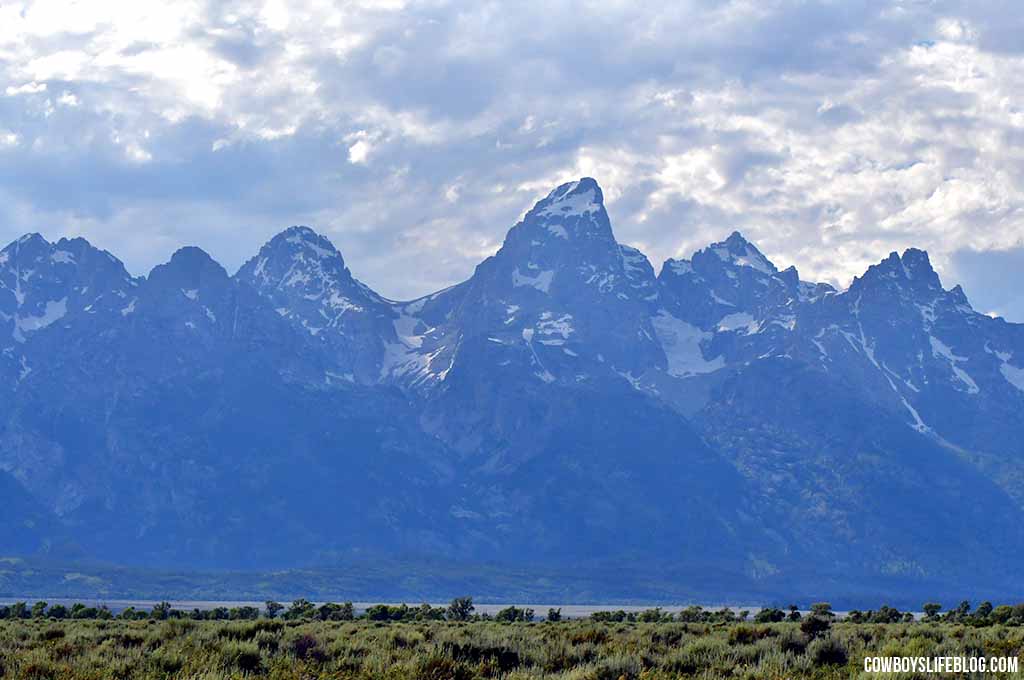
Look for Easy Access to Nature
One of the biggest factors to consider is how close you are to the outdoors.
There’s a big difference between having a beautiful national park two hours away and having a trail, lake, river, or park just 10 minutes from your front door.
When outdoor spaces are convenient, you’re much more likely to use them.
A quick hike after work, an early-morning fishing trip, or an evening bike ride becomes something you can do regularly instead of an activity that requires an entire day of planning.
When researching a new city or town, look beyond the neighborhood itself. Check for:
- Hiking and walking trails
- State and national parks
- Lakes and rivers
- Beaches
- Mountains and forests
- Public campgrounds
- Fishing areas
- Bike trails
- Wildlife areas
- Rock climbing and other adventure activities
You don’t necessarily need to live in the middle of the wilderness. A community with a great trail system or several parks nearby can provide plenty of opportunities to get outside.
And there are benefits beyond recreation. Spending time in parks and green spaces has been linked to reduced stress, increased physical activity, better overall well-being and can improve your health..
The goal is simple: make getting outside easy.

Consider the Climate and Seasons
Your climate will determine how much time you can realistically spend outdoors throughout the year.
Before moving somewhere, think about the activities you enjoy most.
Are you a fan of:
- Hiking?
- Mountain biking?
- Skiing?
- Snowboarding?
- Fishing?
- Hunting?
- Kayaking?
- Swimming?
- Surfing?
- Camping?
- Rock climbing?
- Trail running?
Then look at the weather throughout the entire year—not just the season when you’re planning your move.
Someone who loves skiing may happily trade hot summers for snowy winters, while someone who spends every weekend fishing and hiking may prefer a warmer climate.
There’s also something to be said for seasonal variety. Living somewhere with four distinct seasons can give you a completely different outdoor experience throughout the year. Summer might mean camping and kayaking, fall can bring hiking and hunting, winter opens the door to snow sports, and spring is perfect for exploring new trails.
On the other hand, a mild climate can mean more opportunities to stay active outside year-round.
Choose a climate that matches the way you actually want to spend your free time.
Find a Community That Loves the Outdoors
Beautiful scenery is great, but an active outdoor community can make living somewhere even better.
Look for towns and cities where outdoor recreation is part of the local culture. You may notice it through local running clubs, hiking groups, fishing organizations, cycling clubs, outdoor festivals, sporting events, and locally owned outdoor stores.
A strong outdoor community can also make it easier to meet people who enjoy the same things you do.
You might discover a new hiking buddy, find a local fishing hole, join a mountain biking group, or learn about a trail you wouldn’t have found on your own.
Before choosing a new place to live, spend some time researching the community online. Search for local outdoor groups, recreation programs, events, and social media pages.
You can also look at resources that help potential residents understand what life is actually like in a particular destination. For example, someone researching is Boulder a good place to live in may want to consider not only the scenery but also the city’s outdoor culture and lifestyle.
A great outdoor town doesn’t just give you places to explore—it gives you people to explore them with.
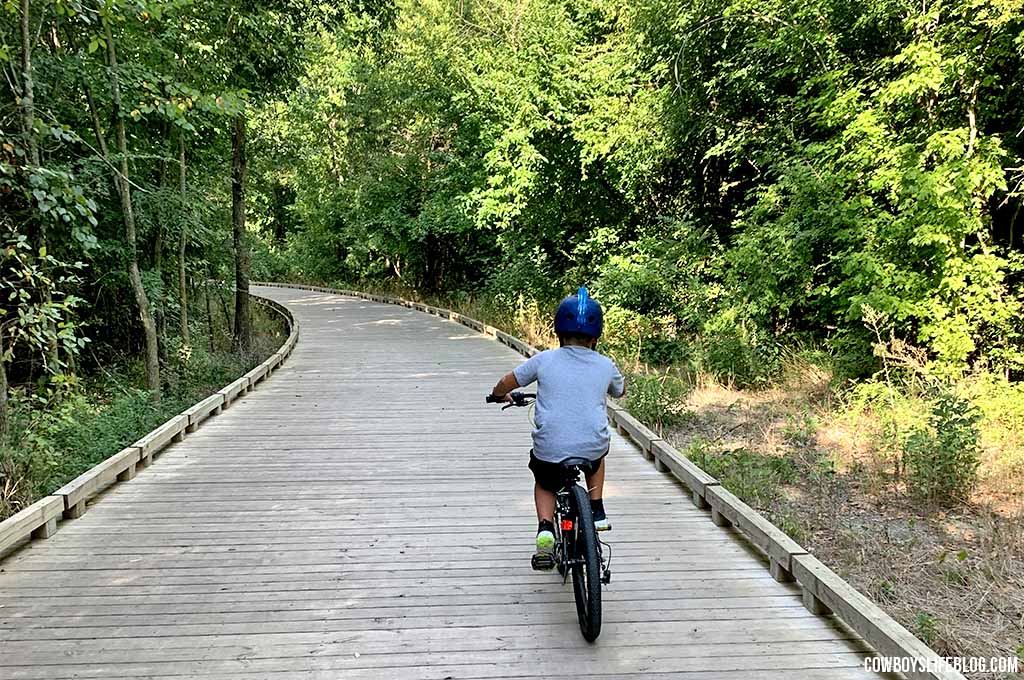
Don’t Overlook Outdoor-Friendly Infrastructure
You don’t have to live in a remote mountain town to have an outdoor lifestyle.
Some cities have invested heavily in making outdoor recreation part of everyday life. Look for communities with:
- Greenways
- Walking and running trails
- Bike lanes
- Parks and recreation centers
- Public pools
- Disc golf courses
- Outdoor sports fields
- Kayak launches
- Community lakes
- Climbing gyms
- Easy access to public transportation
These amenities can make a huge difference.
Imagine being able to leave your house and walk or bike several miles without getting in your car. Or having a park nearby where you can spend an hour after work.
Even indoor recreation facilities matter. A climbing gym, fitness center, aquatic center, or indoor sports facility can give you somewhere to stay active when the weather isn’t cooperating.
The best outdoor communities make recreation part of everyday life—not just something you do on vacation.
Think About Your Weekend Adventures
One of the best ways to evaluate a potential place to live is to look at what’s available within a few hours’ drive.
You may not have a national park in your backyard, but what can you reach in a weekend?
A great home base might put you within driving distance of:
- State parks
- National forests
- Lakes
- Rivers
- Beaches
- Small mountain towns
- Camping destinations
- Wildlife refuges
- Scenic drives
- Charming small towns
This is especially important if you love road trips and exploring new places.
Living somewhere that has several different types of destinations within a few hours can give you endless opportunities for weekend adventures without requiring a major vacation.
For example, a standard road trip can easily become an outdoor adventure when you build in stops for hiking, swimming, fishing, scenic overlooks, or exploring a new town. How to Turn a Standard Road Trip Into an Outdoor Adventure
Balance Outdoor Access With Your Real Life
This might be the most important consideration of all.
A gorgeous mountain town sounds amazing until you realize housing costs are out of reach. A remote cabin may be perfect for weekend adventures, but not so convenient if you have a long commute or need access to schools and healthcare.
When deciding where to live, consider the bigger picture:
- Cost of housing
- Property taxes
- Job opportunities
- Commute time
- Healthcare
- Schools
- Grocery stores
- Internet access
- Safety
- Family activities
- Access to airports and major cities
Your ideal location should support your entire life, not just your weekends.
For remote workers, the possibilities may be even greater. Working from home can allow you to choose a location based more heavily on lifestyle rather than proximity to an office.
For families, it’s about finding that sweet spot where kids have access to parks, sports, trails, and other activities while parents can still work and handle everyday responsibilities.
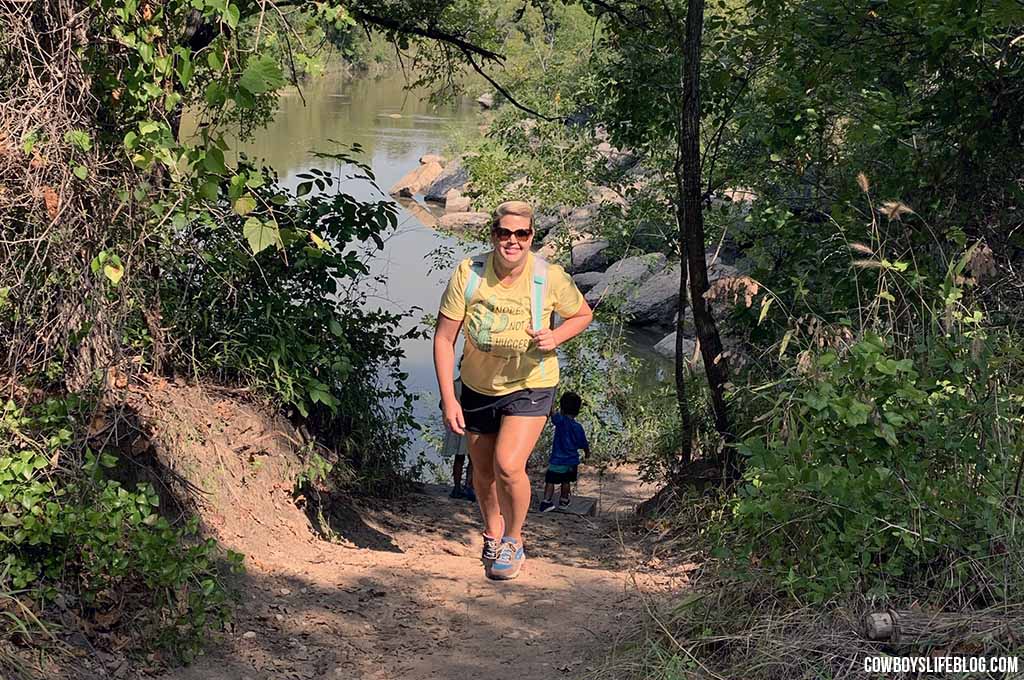
Think About the Cost of Your Outdoor Hobbies
Another factor that’s easy to overlook is the cost of actually enjoying the outdoors in a particular location.
Some activities are relatively inexpensive. Hiking, fishing in public waters, visiting local parks, and camping can provide affordable ways to spend time outside.
Other hobbies can get expensive quickly.
Ski passes, boat ownership, hunting leases, mountain bikes, kayaks, climbing equipment, and other outdoor gear can add up.
Before moving somewhere because it offers your favorite activity, research the actual costs involved.
Ask yourself:
Can I afford to enjoy the lifestyle I’m moving there for?
A location that’s slightly less spectacular but significantly more affordable may ultimately allow you to spend more time outdoors because you have money left over for the activities you love.
Visit Before You Move
If possible, spend more than a weekend in a potential new hometown before making a big decision.
Visit during different seasons if you can. Talk to locals. Visit the parks. Drive the commute during rush hour. Check out the grocery stores and neighborhoods.
And most importantly, live like a local for a few days.
Instead of spending your entire trip sightseeing, try doing the things you would normally do at home.
Go for a morning walk. Find a local trail. Visit a grocery store. Grab coffee. Check out a local park. Look at outdoor recreation options.
You’ll quickly get a better idea of whether you can actually see yourself living there.
Finding Your Perfect Outdoor Home Base
Choosing where to live is about more than finding a beautiful house. It’s about finding a place that supports the lifestyle you want every day.
The perfect outdoor destination might be a mountain town surrounded by trails. It could be a coastal community where you can fish and kayak. It might be a small Texas town with lakes, parks, and wide-open spaces nearby.
Or it could simply be a city with enough parks and greenways that you can escape into nature without leaving town.
The most important thing is to figure out what outdoor experiences make you happiest and then choose a place that makes those experiences easy to enjoy.
Because at the end of the day, your home should be more than just the place where you sleep.