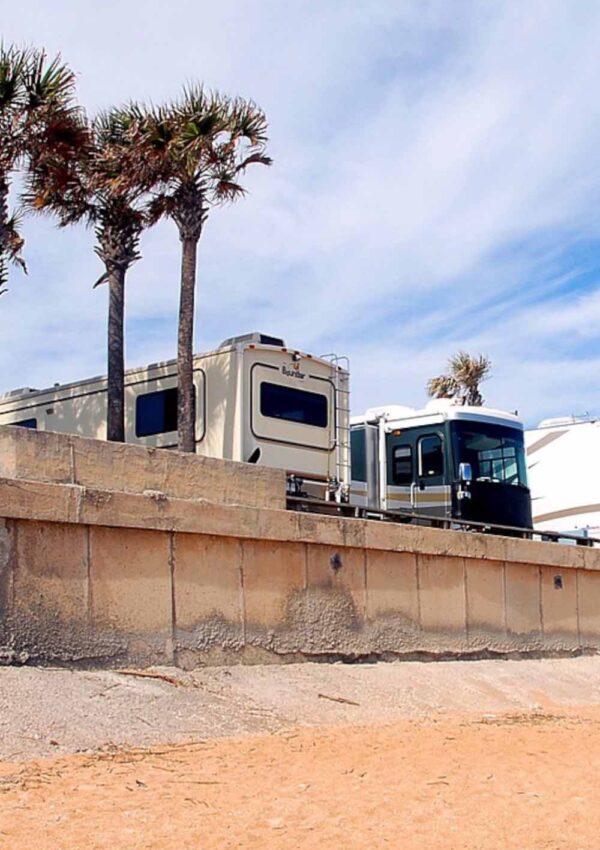
A family deep-sea excursion works best when the plan fits the youngest passenger’s comfort, attention span, and experience on the water. Before reserving a trip, talk through the schedule, onboard facilities, and likely conditions with the operator. Clear expectations help children feel prepared and give adults a better chance to relax once the boat leaves the dock.
Match Trip Duration to Age Levels
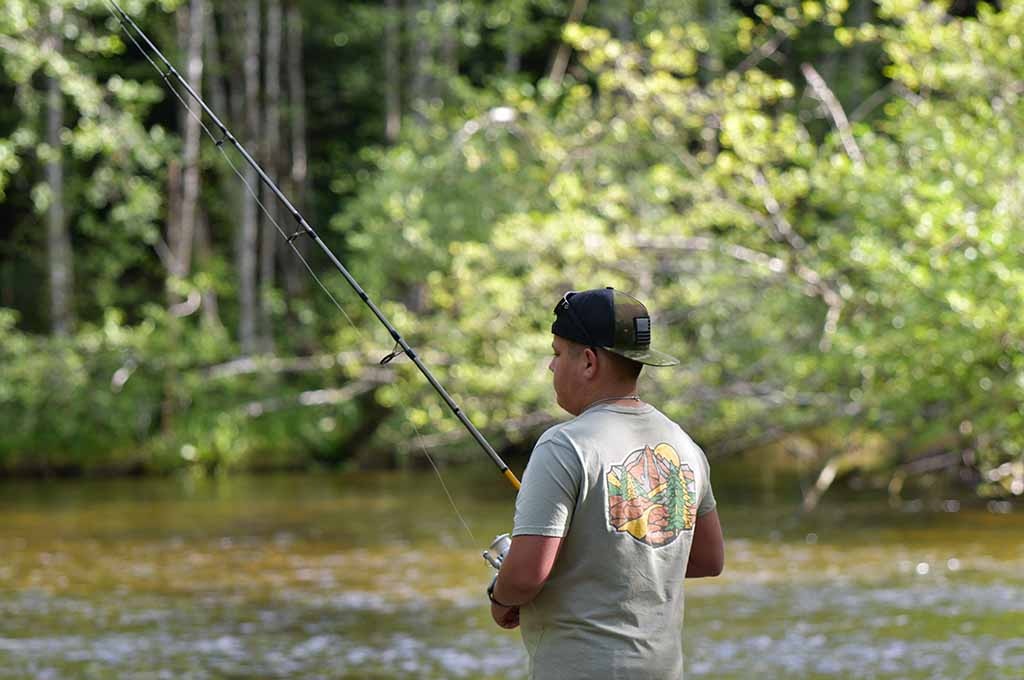
Start with a shorter outing if your children have never spent several hours offshore. A four-hour trip often suits elementary-age kids because it offers enough time to learn, participate, and enjoy the boat without exhausting them, which can help you plan a family trip that feels fun, not stressful. Older children and teenagers may be comfortable with six or eight hours, especially if they already enjoy boating.
Ask about travel time to and from the fishing area since that counts toward the total trip. Pack easy snacks, water, sun protection, and a light layer. Children also benefit from knowing the basic schedule beforehand, including departure, breaks, and the expected return time.
Choose an Experienced Local Vessel
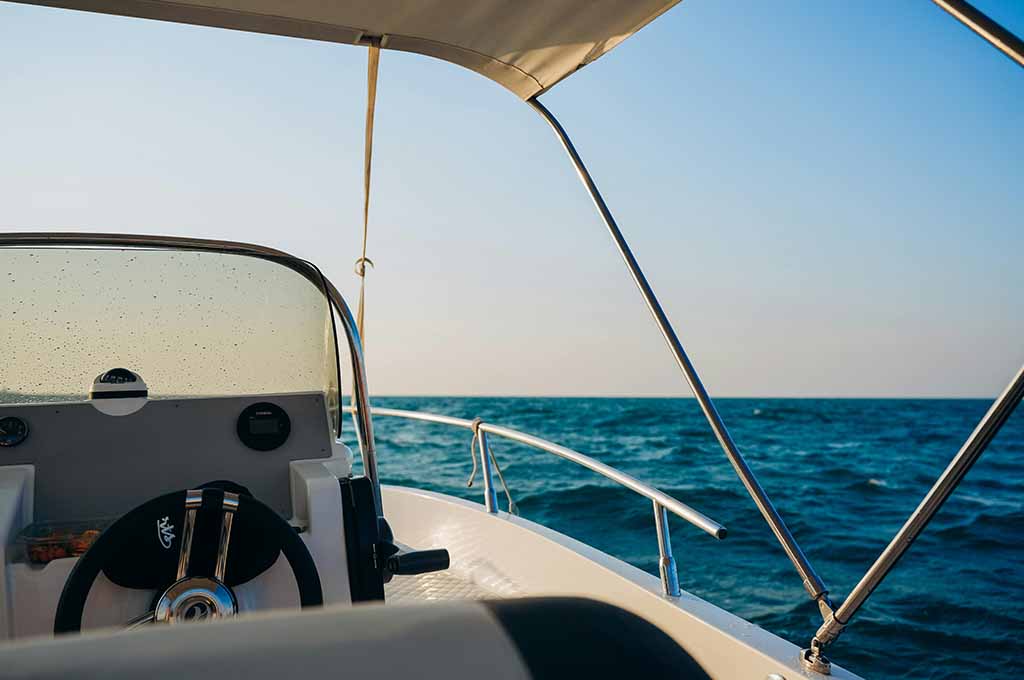
Look for an operator that regularly welcomes families and knows the local water conditions. Ask how the crew involves beginners, what amenities are available, and how they adjust plans if a child becomes tired. Recent reviews can reveal useful details about communication, cleanliness, and the crew’s patience with first-time guests.
For a Destin outing, you can charter a boat in LaBella that offers an experienced captain, included gear, and family-friendly offshore trips. Before booking any vessel, confirm its passenger capacity and shaded seating. You should also ask when to arrive and what items are permitted onboard so there are no surprises at check-in.
Prevent Seasickness Before Boarding
Prepare for motion sickness before the departure morning. Anyone who has felt sick in a car, airplane, or amusement ride may be more sensitive to a boat’s movement. Ask your child’s doctor or pharmacist about age-appropriate options well before the trip, since some products need to be taken in advance and may cause drowsiness.
Serve a light breakfast and avoid greasy or unusually heavy food. Once onboard, encourage sensitive passengers to stay in fresh air, look toward the horizon, and avoid reading or staring at a screen. Bring water, plain crackers, and a change of clothes in an easy-to-reach bag.
Understand Licensing and Equipment Rules
Confirm exactly what the booking includes before buying supplies or completing paperwork. Requirements vary by location and trip type. Some charter services include the necessary coverage for passengers, while others may expect guests to arrange their own. Review the relevant recreational fishing license rules and verify the details directly with your operator.
Ask whether rods, bait, tackle, life jackets, and fish storage are provided. Parents should share each child’s age and approximate size so the crew can prepare suitable flotation equipment. It also helps to learn the rules for keeping a catch, including seasonal limits and minimum sizes. These regulations can change, so advice from a previous vacation may no longer apply.
Capture Every Big Catch on Camera
Decide who will handle photos before the activity begins. A phone secured with a floating case or wrist strap is easier to manage on a moving deck. Keep it shaded and protected from spray when it’s not in use.
For better family pictures, photograph the moment from the child’s eye level and keep the horizon straight. Take a few quick images, then follow the crew’s instructions for handling and releasing or storing the catch. Short video clips can capture the excitement without turning the entire experience into a photo session. Back on shore, invite each child to choose one favorite image for a small album or framed vacation memory.
A successful day ends with tired kids, plenty of stories, and no last-minute confusion at the dock. Confirm the meeting time the evening before, pack one clearly labeled family bag, and let the crew know which passengers are heading offshore for the first time.