Sixty percent of the heating bids that cross a facility manager’s desk are written by people who have never stood on that roof.
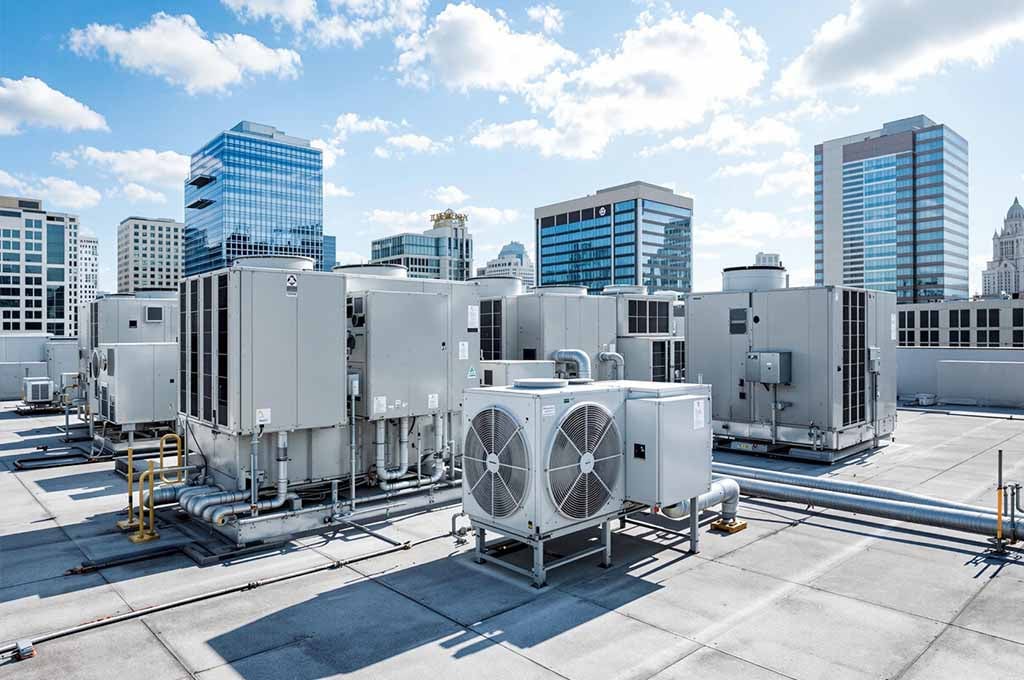
I have watched a property manager sign a three year contract in October and spend every January chasing the same crew that promised a two hour response window. The paperwork looked fine. The price looked fine. The problem was never the price. It was the process of choosing commercial heating services in the first place, done in a rush, under pressure, usually a week before the first hard freeze.
Here is what a real evaluation looks like when you strip away the sales pitch. You are not buying a truck and a technician. You are buying uptime, and uptime is built on four things: how fast they diagnose, how well they know your specific equipment, how they staff after hours, and what they do when a part has to be ordered on a Sunday.

The Handoff Window Triage
Most managers judge a commercial heating contractor by emergency response time. That is the wrong metric, and it is why so many buildings go cold anyway.
Watch the handoff window instead.
The handoff window is the gap between the moment your overnight tenant calls in a complaint and the moment a technician with actual authority touches the ticket. A dispatcher can log a call in ninety seconds. That means nothing. What matters is whether the person who answers at 2 AM can authorize a part pull, call a second tech, or green light an overtime hour without waking a manager. Companies that can do this compress a six hour outage into a ninety minute one. Companies that cannot will generate a beautiful service report and a freezing building.
I would take a contractor with a slightly slower daytime response and a real overnight authority chain over one with a flashy four hour promise and a voicemail box. Every time.
What Should You Ask Before Signing a Commercial Heating Contract?
Five questions, and you should write down the answers, because you will need them in February.
Who actually shows up? Ask whether the technician is on their payroll or a subcontractor. Subcontractors are fine for a one off repair. They are a liability on a seasonal contract, because the person on your roof in January may never have seen your building before.
What is your parts inventory? A shop that stocks ignitors, belts, and common control boards for your rooftop units will fix most failures the same day. A shop that orders everything will leave you waiting on a warehouse two states away.
How do you document the visit? Ask to see a sample report. If it says “checked unit, functioning normally,” walk away. You want static pressure readings, amperage draws, and temperature rise numbers you can compare month over month.
What triggers a callback? Get the language in writing. If a unit fails within a set window after a service visit, the return trip should cost you nothing.
Do you hold the licenses and insurance for this scope? Mechanical, gas, and electrical work each carry their own requirements. Ask for certificates, and check the expiration dates yourself.
Tuesday, 6:40 AM, Unit Four
Here is the scene that separates a good contract from a bad one, and it happens in almost every commercial building at least once a season.
Unit four, the rooftop serving the east wing, has been short cycling since November. The tenant on the second floor finally files a formal complaint on a Tuesday morning. Your usual vendor’s dispatcher says the earliest slot is Thursday afternoon. Thursday arrives. The tech confirms the unit needs a heat exchanger. The part ships Friday. The east wing stays cold through the weekend, and you spend Saturday explaining to a regional director why the lease agreement’s comfort clause means nothing in practice.
Now run the same week with a vendor whose contract includes two things: a stocked critical parts list for your specific equipment, and a standing authorization to dispatch a second technician when a first visit runs past a set hour. Same failure, same Tuesday. The heat comes back Wednesday by noon.
That difference does not show up in the bid. It shows up in a line item nobody reads, buried under the warranty language.
How to Vet the Bids Side by Side
Build a single spreadsheet. Four columns: response commitment, parts policy, documentation quality, and after hours authority. Score each bid one to five in every column. Most managers only score price, which is why they end up with the cheapest contract and the most expensive winter.
A few things to check while you are scoring:
- Ask each bidder for two buildings they currently service and call those facility managers directly.
- Request a sample maintenance report and compare the actual readings across vendors.
- Confirm whether filter changes, belt inspections, and combustion checks are included or billed separately.
- Ask what happens if a technician cannot fix the unit on the first visit.
That last one matters more than people expect. According to efficiency guidance from the Department of Energy, heating systems lose performance gradually when maintenance lapses, so a vendor who only reacts to failures will let your operating costs climb quietly for two or three seasons before anything dramatic breaks.
The Two Contracts You Should Never Sign
The first is a contract with no defined response window. Vague language like “prompt service” or “as soon as possible” is not a commitment. It is a wish.
The second is a contract that bundles heating with work the vendor is not licensed for. Commercial heating service touches gas lines, electrical panels, and controls. A single vendor can absolutely cover all of it, but only if they can show you the credentials for each scope. If they cannot, you have just accepted liability for someone else’s gap.
There is a third pattern worth naming, because it is subtle. Some contracts escalate in year two and year three without a cap. Read the renewal clause. If the increase is not tied to a published index, you are signing a blank check.
On controls specifically, buildings that run building automation systems need a vendor who can read the sequence of operations, not just swap parts. The National Institute of Standards and Technology publishes work on building control integration that is worth skimming before you interview anyone, mostly because it gives you the vocabulary to tell a real controls technician from a parts changer.
Build the Maintenance Calendar Around Your Building
Generic seasonal schedules waste money. Your building has its own rhythm, and the schedule should follow it.
For an office tower with rooftop units, the critical window is late September, before the first cold snap loads every unit at once. For a warehouse with radiant heat, it is the month before peak shipping season. For a property with a boiler, it is whatever month follows your highest usage period, because that is when you have the most data on how the system actually behaved.
The General Services Administration treats planned maintenance as a core facility cost rather than a discretionary one, and that framing is useful when you have to argue for budget. Money spent on a scheduled inspection is predictable. Money spent on an emergency repair in January is not.
My rule for clients: schedule the inspection, then verify it happened. A work order in a system does not mean a technician put hands on a unit.
What Good Looks Like After Year One
Twelve months in, you should be able to answer three questions without digging. How many heating failures did you have? How long did each one last? And did your energy spend move in the direction the vendor predicted?
If you cannot answer those, the contract did not fail. The management around it did.
Good commercial heating services leave a paper trail you can audit, staff who know which unit is the problem child, and a phone number that reaches a human with authority. Everything else is marketing.
So before the next renewal lands on your desk, pull your last twelve months of service tickets. Count the ones that took more than a day to close. If that number surprises you, you already know what to change.